Underfloor Insulation Sizing: Joist Spacing, Width and Depth Explained
Getting the right size underfloor insulation is not hard, but it is one of the places where people understandably get confused. That is because there are three different measurements people talk about:
Joist spacing – the clear gap between your floor joists
Insulation width – how wide the insulation roll or batt is
Joist depth – how deep the timber joist is from top to bottom
They are not the same thing. And yes, this matters.
If the insulation is the wrong width, it may be hard to install, may not hold properly, or may leave gaps. If you are worried that the insulation is “too thick” for your 90mm joists, that is usually less of a problem than it first sounds. Let’s make it simple.
Measure the Gap Between the Joists
When choosing underfloor insulation, the most important measurement
is the clear space between the joists.
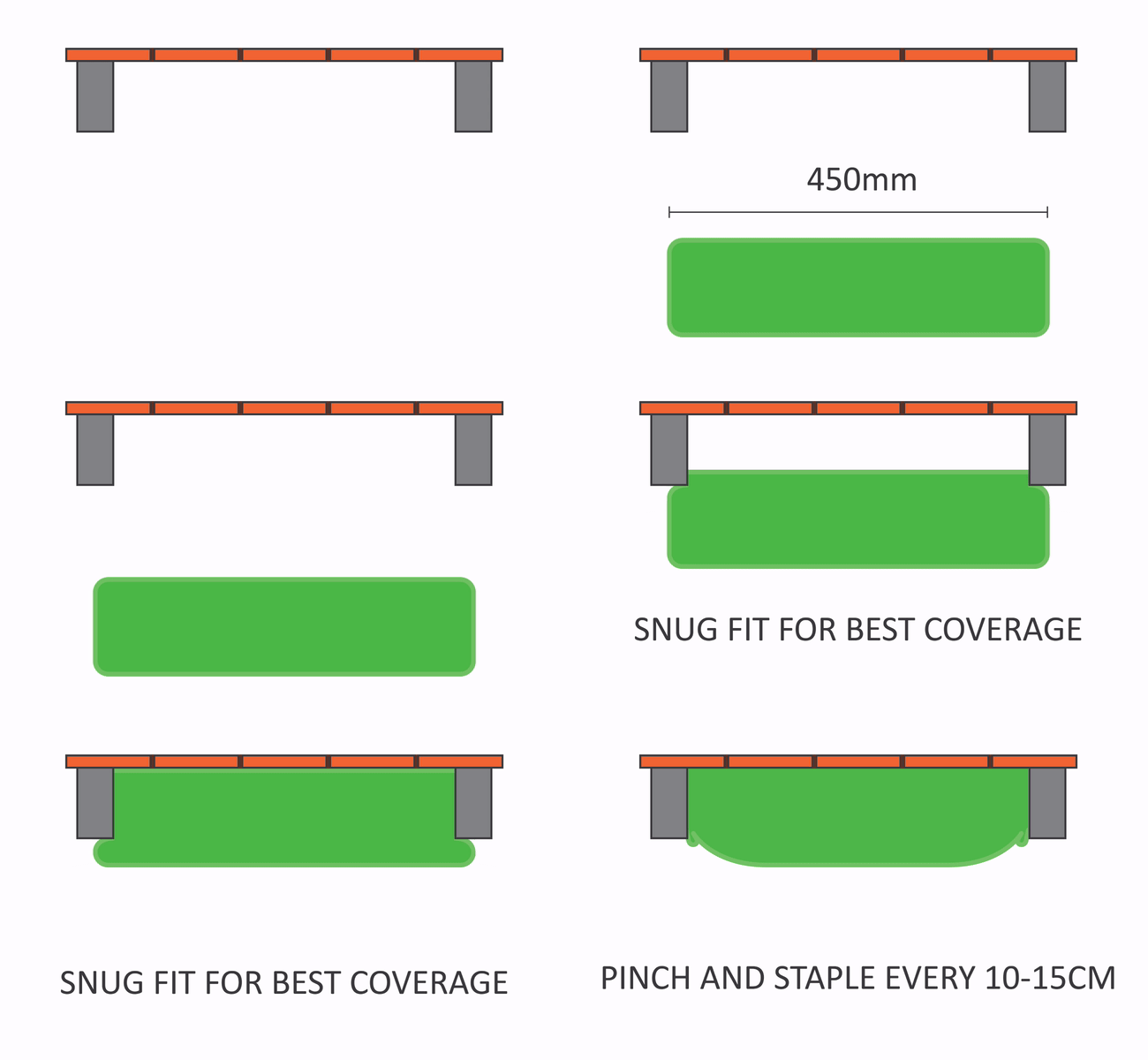
That means the gap from the inside face of one timber joist
to the inside face of the next timber joist. In this case, that would be 430mm
Do not measure from the centre of one joist to the centre of the next.
Do not measure the width of the timber itself.
Get under the floor and measure the actual gap.
Older homes, extensions and renovations can vary. Sometimes the same house has more than one joist spacing.
Your Insulation Should Be About 20mm Wider Than the Gap
As a general rule, the insulation should be about 20mm wider than the clear space between the joists.
This extra width is deliberate.
It gives you enough material to press the insulation up between the joists so it sits snugly against the underside of the floorboards and gives you enough insulation to pinch and staple into the side of the joists. That snug fit matters. Underfloor insulation works best when it is in proper contact with the underside of the floor and does not slump, sag or leave air gaps above it.
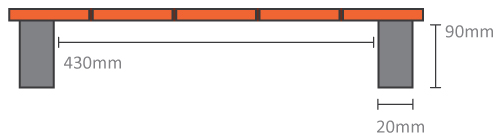
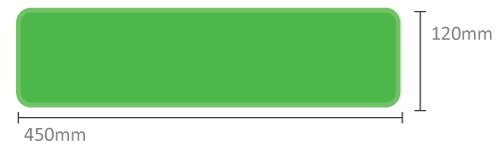
So, for example:
- If the clear gap between your joists is around 410mm, you generally want insulation around 430mm wide.
- If the clear gap between your joists is around 430mm, you generally want insulation around 450mm wide.
That extra 20mm is not a mistake. It is what helps the insulation stay where it belongs.
What If My Joists Are 90mm Deep?
This is one of the most common questions we get. Many suspended timber floors have joists that are around 90mm deep. So people quite reasonably ask:
“How does 120mm Value Poly fit into a 90mm joist?”
or
“How does 140mm Polymax fit into a 90mm joist?”
The answer is that underfloor polyester insulation does not behave like a rigid board that has to fit perfectly inside a box. Polyester insulation is flexible. It has loft. It can compress slightly, curve slightly and “pillow” slightly when installed.
When we install polyester underfloor insulation, we press it up firmly against the underside of the floorboards and staple it to the sides of the joists. The insulation does not need to sit perfectly flush with the bottom edge of the joist. It can sit a little proud and form a gentle pillow between the joists. That is normal, and expected.
The important thing is that the insulation is:
- snug against the underside of the floor
- securely stapled to the joists
- not sagging away from the floorboards
- not leaving gaps above the insulation
- not bunched up
So, if your joists are 90mm deep, a 120mm or 140mm polyester product can still be suitable. The extra thickness helps the insulation fill the space and maintain good contact with the floor.
What Happens If the Insulation Is Too Narrow?
If the insulation is too narrow for the joist spacing, it may not hold well between the joists. That can lead to:
- gaps beside the joists
- poor contact with the underside of the floor
- sagging over time
- reduced thermal performance
- party invitation to rodents
You may also find yourself trying to stretch the material or rely too much on staples to hold it up. That is not ideal. Please don’t. The insulation should be wide enough to press into place firmly and give you enough material to staple neatly into the sides of the joists. Use the Turn and Tear Method for installation – this is how professional installers deal with variable width joists.
What Happens If the Insulation Is Too Wide?
If the insulation is a little wider than the joist gap, that is exactly what we want. If it is much too wide, installation can become harder. You may end up fighting the material, over-compressing it, or creating bunching. Please don’t bunch it. That encourages rodents to party. Use the Turn and Tear Method for installation. It takes about 15% longer in time to install, but it should be problem free.
The goal is not to buy the biggest width and hope for the best. The goal is to buy the width that suits your joist spacing, allowing around 20mm extra for fitting and stapling.