Why Underfloor Insulation Is a Win-Win for Your Wallet and Your Home

If you’re eyeing ways to cut down on your heating and cooling costs without breaking the bank, underfloor insulation might just be the perfect fix. It’s like giving your home thick, snug, woollen socks that pays for itself, and then some, by slashing those energy bills right away.
Save Now, Save Later
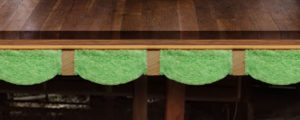
Underfloor insulation works by keeping your home snug in winter and cool during summer, so your heating and cooling systems don’t have to work overtime. This means you start saving money the minute the insulation is in place. And if you’re worried about upfront costs, think about this: those savings kick in immediately and keep adding up, helping your budget breathe a little easier. If you install your underfloor insulation over a few weekends, you can tell exactly where you are up to while inside, just through your feet. The difference is immediate and that noticeable!
Built to Last
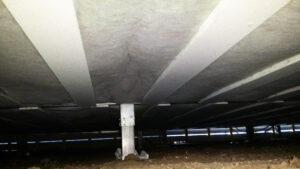
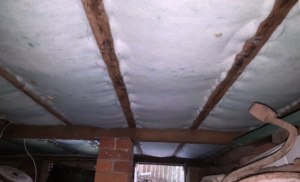
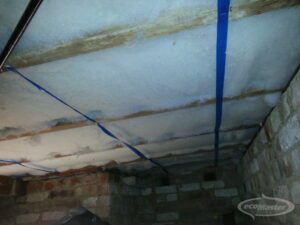
Polyester underfloor insulation is built for the long haul, provided it is installed properly and kept snug against the underside of the floor. Value Poly carries a 25-year product warranty, while Polymax is backed by CSR Bradford’s 70-year product performance warranty. Either way, choosing a durable polyester product and installing it securely helps avoid the sagging, slumping and early replacement problems that can turn a cheap insulation job into an expensive one.
More Than Just Temperature Control
Creating a home that is more temperate, brings major health benefits. Sustainability Victoria commissioned a study that demonstrated the health benefits of energy efficiency and thermal comfort. “Importantly, the upgrade was associated with benefits in health, with reduced breathlessness and improved quality of life, particularly its mental health and social care aspects. Health benefits of the upgrade were reflected in cost savings, with $887 per person saved in the healthcare system over the winter period. Cost-benefit analysis indicated that the upgrade would be cost saving within 3 years – and would yield a net saving of $4,783 over 10 years – due to savings in both energy and health. Savings were heavily weighted towards healthcare: for every $1 saved in energy, more than $10 is saved in health.” In this study, the retrofit includes other activities as well, so this would overstate the benefits of just underfloor insulation. But really, once you are on the retrofit journey, why would you stop at just one thing? Check this page if you are looking for the most cost-effective sequence to retrofit your home.
Under floor insulation is an investment in both comfort, health and energy savings.
Is underfloor insulation a good investment?
The ‘return’ on underfloor insulation depends on your home, your climate, the insulation you choose, how much heating and cooling you use, and whether you install it yourself or pay someone to do it.
The simplest way to think about it is this: underfloor insulation helps reduce unwanted heat loss in winter and heat gain in summer. That means your heating and cooling does not have to work as hard to keep the home comfortable. Over time, that can reduce your energy use and help offset the upfront cost of the insulation.
To estimate the return, compare the cost of the job with the energy savings you expect each year.
Annual return = yearly energy savings ÷ total project cost × 100
So if your DIY underfloor insulation costs $1,600 and helps reduce your energy bills by $400 per year, that is a 25% annual return and a 4-year simple payback.
The exact number will be different for every home. A cold, draughty house with suspended timber floors and high heating use may see a stronger return than a mild-climate home that is already performing well. But the financial return is only part of the story. Underfloor insulation can also improve comfort, reduce cold floors, help in summer, and make the home feel more stable all year round. That is why we see underfloor insulation as both a comfort upgrade and a long-term energy efficiency improvement.
Two things of interest here.
- No one asks about the ROI or payback period on a new kitchen, carpet or furniture.
- One particularly cold winter, I was contacted by a someone who wanted to know if I could guarantee a Return on Investment of 2 years for underfloor insulation. The client’s wife was about to have their first baby and she wanted the home to be warm. As I could not / would not provide that guarantee, that individual decided not to proceed – a cold home would be fine for the new baby. And just like no one asks the payback period on a kitchen or bathroom, I did not ask what was the payback period on a divorce. It didn’t seem polite.
People Also Ask:
Q: Does Underfloor insulation make much difference?
A: Absolutely, underfloor insulation can make a significant difference in both the comfort and energy efficiency of your home. By installing insulation beneath your floors, you effectively reduce the amount of heat that escapes during the winter and prevent excess heat from entering during the summer.
This thermal barrier, or building envelope, helps maintain more consistent indoor temperatures, reducing the need to continuously heat or cool your home. As a result, homeowners often see a noticeable decrease in their energy bills. Additionally, underfloor insulation can help dampen noise, making floors quieter when walked on. Installing underfloor insulation is a practical upgrade that enhances home comfort and can lead to long-term savings.
Q: Does underfloor insulation help in summer
A: Yes, underfloor insulation can be particularly effective during the summer months. It acts as a barrier that limits the influx of heat through your floors, especially in homes with elevated floors, or unshaded perimeter walls. Under floor insulation helps keep indoor spaces cooler, reducing the reliance on air conditioning and leading to lower energy consumption and costs. By maintaining a more stable and cooler indoor temperature, underfloor insulation ensures your home stays comfortable even as outdoor temperatures climb.