
They may be just minor openings from afar, but gaps in your hardwood floors can have a huge impact to your home’s indoor temperature, and overall thermal comfort. Continue reading to learn more about how gaps exist in your floorboards, and how you can prevent them from affecting your comfort in extremes of weather.
Why are there gaps in floors?
The gaps are a direct result of the floorboards’ expansion and shrinkage during winter and summer, which will be affected by the levels of moisture present above and below the floors. Being made from wood, floorboards undergo expansion in the summer when moisture content is higher, and shrink in the colder months when moisture content is lower. This means that gaps in your floors can get wider in winter, allowing more draught in. One tiny crack here and there won’t matter until you add them together. An average room has about 80 to 100 metres of gaps if you laid them end to end. These tiny gaps add up to an area measuring 50 x 50 centimetres or about the size of an open window! For cracks present in between floor and skirting boards, these can total 20 x 20 centimetres per room, the equivalent of another open window.
A blow to your comfort and energy cost
In general, draughty homes are wasteful of energy, because they allow expensively heated air to escape while homeowners continue to feel achingly cold. To make your space cosier, people end up blasting their thermostats to improve comfort, which puts them in an unending cycle of wasting more energy without locking in comfort. Solutions. Below are realistic solutions you might want to try to prevent draught from seeping into your floorboards:
Solution 1 : Carpet with underlay
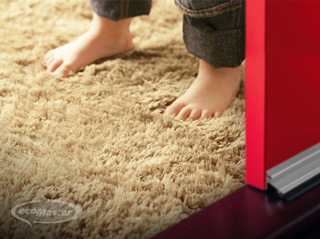
Carpet with good-quality underlay can make timber floors feel noticeably warmer underfoot, especially in rooms where the floorboards are gappy or draughty. It works by adding a soft insulating layer above the timber, helping reduce that cold “bare boards in winter” feeling. It is worth noting, though, that carpet and underlay are a comfort improvement rather than a complete thermal solution. A timber floor is generally rated around R0.7, and carpet with underlay may add around R0.3, giving a total of about R1.0. That is better than bare boards, but it is still modest compared with insulating underneath the floor. For a clearer explanation of how these ratings add up, read our guide to underfloor insulation R Value.
Solution 2: Seal floorboard gaps
Caulking the gaps between floorboards can be a useful way to reduce draughts coming up through timber floors, especially where the gaps are large enough to feel cold air moving through them. A flexible sealant, such as Fuller Ultra Clear sealant, is a better option than timber putty because timber floors naturally move, flex, expand and shrink with changes in temperature and moisture. Click here to learn how to seal floorboard gaps.
Rigid fillers can crack, crumble or work loose over time, which means you may do all that fiddly work only to vacuum it up later. Ultra Clear goes on white and dries clear, although it is important to say that clear does not mean invisible, so test it first in a less obvious area to make sure you are happy with the finish. This approach can help reduce draughts through the boards, but it does not insulate the floor itself. For the best thermal improvement, floor gap sealing is often best treated as a companion job to effective underfloor insulation.
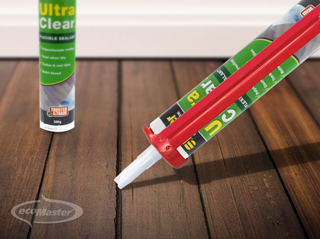 Note: Any kind of timber putty is brittle and inflexible. As the floor flexes, the putty cracks and falls out, or is vacuumed up. Either way – it’s not there for long.
Solution 3: Install Underfloor Insulation
Installing polyester underfloor insulation is the most effective way to improve the thermal performance of exposed timber floors, especially if the floorboards are gappy and the rooms feel cold in winter or hot in summer. Rather than just covering the gaps from above, underfloor insulation works from underneath by fitting snugly between the floor joists, helping to slow heat loss through the floor in winter and reduce heat gain in summer. A typical timber floor on its own is only around R0.7, but adding R2.5 polyester underfloor insulation can lift the total floor system to around R3.2, which is a much more meaningful improvement. It will not make wide floorboard gaps disappear visually, so you may still choose to seal obvious draughty gaps from above, but for overall comfort and energy efficiency, insulating under the floor is the heavy lifter. For a practical look at how the insulation is fitted from underneath the home, read our guide how to install underfloor insulation
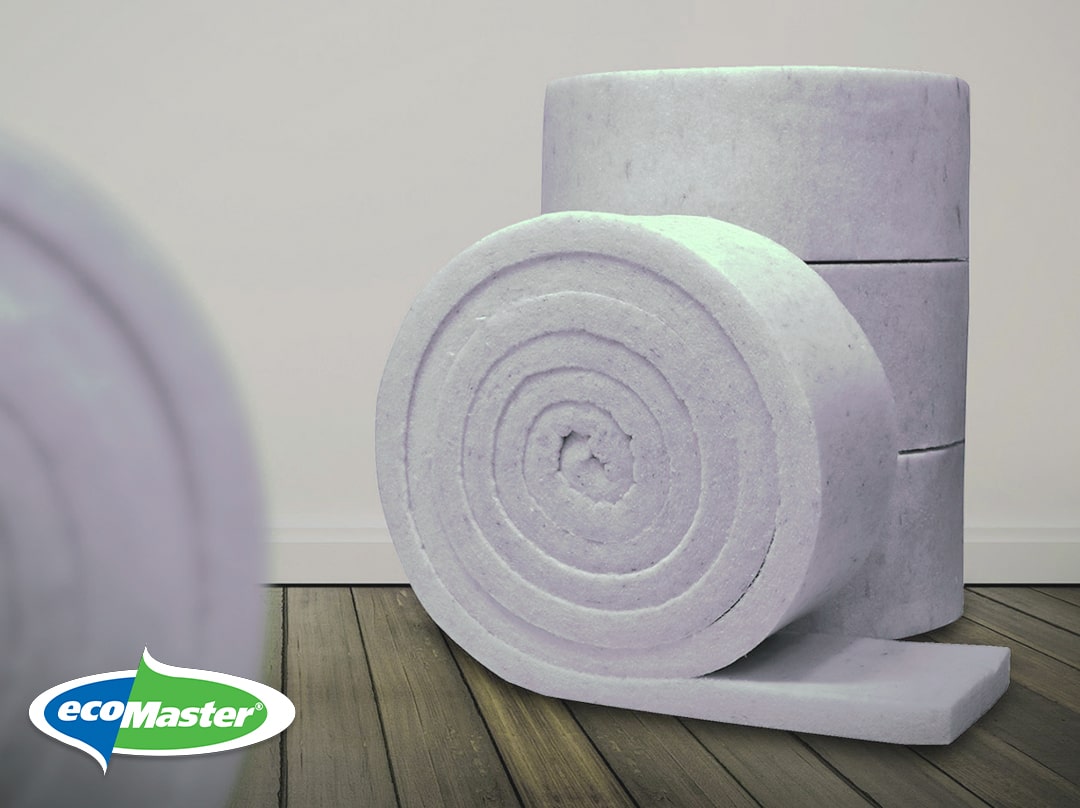
Polyester is the most effective, safe, and durable insulation available for insulating under floors. It does an excellent job in improving your thermal comfort, and keeping your winter warmth in, and the summer heat out. This means you won’t have to run your heating, and cooling appliances any more than necessary. You can also enjoy much lower energy bills too. This will rate a glorious R3.2 (R0.7 timber floor + R2.5 insulation) in conjunction with your timber floor.
Discover a wide range of draught-proofing solutions for your home that help you grab ahold of lasting thermal comfort.
If you would like an obligation free quotation on underfloor insulation for your home – DIY or installed, go to www.UnderfloorInsulationAustralia.com.au/getpricing